







Introducing the Lazer Z1 KinetiCore: An Iconic Road Helmet, Reimagined
The Lazer Z1 KinetiCore is a lightweight, highly ventilated road helmet designed for performance-focused riders who want integrated impact protection, a refined fit, and race-ready features.
Building on more than a decade of Z1 history, the latest generation introduces Lazer's integrated KinetiCore technology while continuing to focus on the qualities that made the Z1 popular with road riders: low weight, airflow, comfort, and a streamlined profile.
Z1 KinetiCore at a glance:
- Integrated KinetiCore impact protection.
- 220-gram weight in size Medium under CE certification.
- Highly ventilated road-focused design.
- Advanced Rollsys retention system.
- Eyewear docking.
- Compatible with select Lazer Aeroshells.
- Compatible with a rear Lazer LED light.

What Is the Lazer Z1 KinetiCore?
The Z1 KinetiCore is the latest evolution of one of Lazer's best-known performance road helmets.
Rather than changing the identity of the Z1, Lazer focused on refining the platform with integrated impact protection, updated ventilation, a lightweight structure, and a revised fit system.

Where Did the Z1 Come From?
The story of the Z1 traces back to professional sprinter André Greipel, who joined the Lazer-sponsored Omega Pharma-Lotto team in 2011.
Greipel wanted a helmet that was lighter and more ventilated, which sent Lazer engineers through multiple rounds of prototypes in search of the right balance of performance and comfort.
According to the story behind the helmet, Greipel eventually tried one of the prototypes and declared, "Zis is zee one."
The name stuck, and the Z1 was born.

Over the years, the Z1 platform evolved alongside changes in helmet materials, ventilation, aerodynamics, and impact-management technology.
One major step was the introduction of the Z1 MIPS, which added a separate rotational-impact liner. The Z1 KinetiCore takes a different approach by integrating Lazer's own impact-management system directly into the helmet structure.
How Does KinetiCore Work in the Z1?
KinetiCore is Lazer's proprietary integrated impact protection technology.
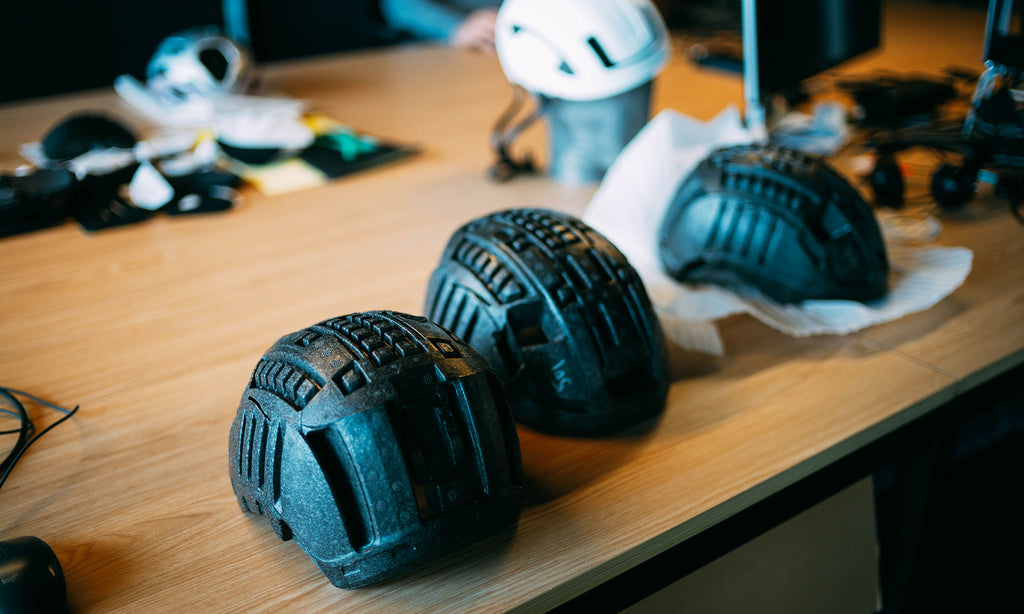
Instead of using a separate rotational-impact liner, KinetiCore uses engineered structures built directly into the EPS foam.
These Controlled Crumple Zones are designed to deform during certain impacts and help manage both direct and rotational impact forces.

Because the impact-management system is integrated into the helmet itself, Lazer engineers can develop protection, ventilation, weight, and fit together rather than working around an added internal layer.
How Lightweight Is the Z1 KinetiCore?
The Z1 KinetiCore weighs 220 grams in a size Medium under CE certification.
Low weight is especially valuable for road riders spending long hours climbing, racing, or completing endurance rides, where even small reductions in helmet mass can contribute to overall comfort.
The integrated KinetiCore structure helps Lazer optimize the amount of material used while maintaining the intended impact-management performance of the helmet.
How Ventilated Is the Z1 KinetiCore?
The Z1 KinetiCore is designed around generous ventilation for high-output road riding.
Strategically positioned vents and internal channels are designed to move air across the rider's head and allow warmer air to exit through the rear of the helmet.
This makes the Z1 particularly well suited to climbing, racing, and warm-weather rides where airflow is a priority.
Is the Z1 KinetiCore Aerodynamic?
The updated Z1 uses a slimmer, more streamlined shape than earlier versions and was developed with aerodynamic performance in mind.
Lazer used wind-tunnel testing as part of the development process to refine the helmet's shape while maintaining the fit, ventilation, and comfort expected from the Z1 platform.

How Does the Advanced Rollsys Fit System Work?
The Z1 KinetiCore uses Lazer's Advanced Rollsys retention system to fine-tune the fit around the circumference of the head.
A thumbwheel positioned on the top of the helmet allows riders to make small fit adjustments, including while riding when conditions allow.
Positioning the adjustment mechanism on top of the helmet also leaves more open space at the rear, which can be helpful for riders with longer hair worn in a ponytail or bun.

What Accessories Work with the Z1 KinetiCore?
The Z1 KinetiCore is designed to integrate with several Lazer accessories.
Aeroshell
A compatible Lazer Aeroshell can cover portions of the helmet's vents, helping reduce airflow and provide additional protection from wind and rain.
Rear LED Light
A dedicated mounting area at the rear of the helmet allows riders to attach a compatible Lazer LED light, which can help improve rider visibility in lower-light conditions.
Eyewear Docking
Integrated eyewear docking slots give riders a place to secure compatible glasses when they're not being worn.

Who Is the Z1 KinetiCore Best For?
The Z1 KinetiCore is designed for road cyclists who prioritize ventilation, low weight, secure fit, and integrated impact protection.
- Road racers.
- Climbers.
- Long-distance and endurance riders.
- Performance-focused recreational cyclists.
- Riders looking for a lightweight, highly ventilated premium road helmet.
Iconic, Reimagined
The Z1 earned its reputation by combining low weight, ventilation, comfort, and a distinctive fit.
The Z1 KinetiCore carries that platform forward with integrated KinetiCore impact protection, updated aerodynamics, refined ventilation, and modern accessory integration.
The goal wasn't to reinvent what riders already liked about the Z1. It was to make an iconic road helmet better by design.